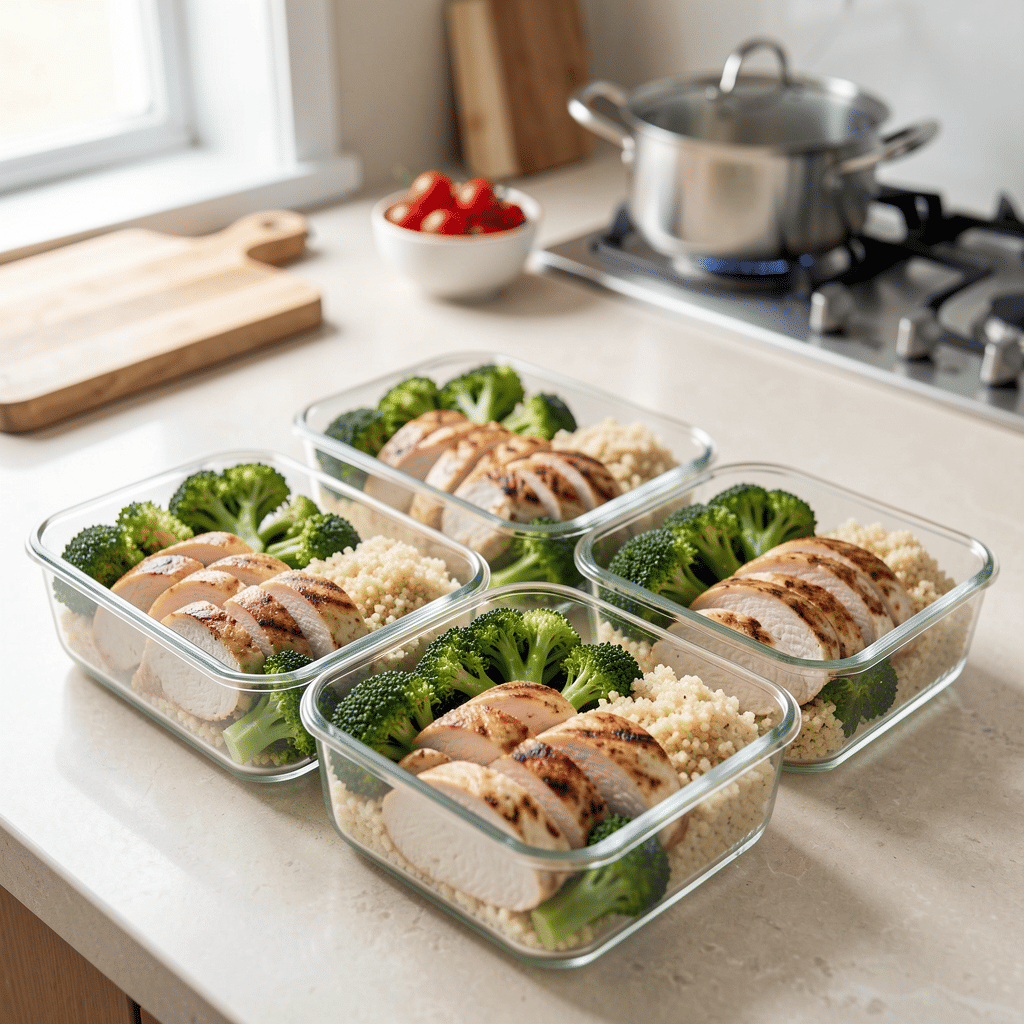
Achieving muscle growth requires a combination of consistent strength training and a carefully planned diet. A balanced diet for muscle gain isn't just about consuming more calories; it's about ensuring those calories come from nutritious sources that support muscle repair and growth. Here, we outline the key components of a balanced diet tailored for muscle development, focusing on essential nutrients and effective meal timing strategies.
Essential Nutrients for Muscle Growth
-
Protein: Protein is a fundamental building block for muscle tissue. It's necessary for repairing and rebuilding muscles after workouts. Aim to include a variety of protein sources in your diet, such as lean meats, poultry, fish, eggs, dairy products, legumes, and plant-based proteins like quinoa and tofu. Ideally, target a daily protein intake of 1.6 to 2.2 grams per kilogram of body weight, adjusting based on individual activity levels and goals.
-
Carbohydrates: Carbohydrates are the primary energy source for your workouts. They replenish glycogen stores in muscles, helping to fuel intense training sessions and aid recovery. Opt for complex carbohydrates like whole grains, brown rice, oatmeal, sweet potatoes, and fruits. They provide sustained energy and are rich in fiber and essential nutrients.
-
Fats: Healthy fats are crucial for hormone production, including testosterone, which plays a role in muscle building. Incorporate sources of unsaturated fats, such as avocados, nuts, seeds, olive oil, and fatty fish like salmon and mackerel. While fats are more calorie-dense, they should make up about 20-30% of total daily caloric intake.
-
Vitamins and Minerals: Essential micronutrients like vitamin D, calcium, magnesium, and iron are vital for muscle health and performance. Including a variety of fruits and vegetables ensures you get a broad spectrum of vitamins and minerals, supporting overall health and muscle function.
-
Hydration: Staying hydrated is often overlooked but is critical for optimal performance and recovery. Dehydration can impair muscle function and recovery. Aim to drink plenty of water throughout the day and consider electrolyte-rich beverages to replenish lost minerals during intense workouts.
Meal Timing Strategies
-
Pre-Workout Nutrition: Consuming a balanced meal containing protein and carbohydrates 1.5 to 3 hours before a workout can enhance performance. A meal might include grilled chicken with quinoa and vegetables or a smoothie with protein powder, banana, and spinach.
-
Post-Workout Recovery: After training, aim to consume a meal rich in protein and carbohydrates within 30 to 60 minutes. This aids muscle recovery and replenishes glycogen stores. Options include a protein shake with a banana, a turkey sandwich on whole-grain bread, or salmon with sweet potatoes.
-
Daily Meal Frequency: Eating multiple small meals throughout the day can help maintain a steady supply of nutrients and energy for muscle growth. Aim for 4-6 meals, ensuring that each includes a balance of protein, carbohydrates, and fats.
-
Nighttime Nutrition: Consuming a protein-rich snack before bed, such as Greek yogurt or cottage cheese, can supply your muscles with nutrients during the night, supporting recovery and growth.
Tailoring Your Diet
A diet for muscle gain should be tailored to individual energy and nutritional needs. Consider your age, sex, weight, metabolism, and activity level when planning your meals. Calorie tracking can be a helpful tool in ensuring you're consuming enough to support muscle growth without excess weight gain. However, listening to your body's hunger and fullness signals is equally important.
In conclusion, a balanced diet for muscle gain is about more than just protein. It involves a strategic combination of macronutrients, micronutrients, and hydration, along with well-timed meals. By understanding and implementing these nutritional strategies, you can effectively support your muscle-building efforts and achieve your fitness goals.